
A dehumidifier is an essential appliance for maintaining indoor air quality and comfort. It helps control humidity levels in homes, offices, and industrial spaces by removing excess moisture from the air. High humidity can lead to several problems such as mold growth, musty odors, and even damage to furniture or electronics. On the other hand, very dry air can cause discomfort, allergies, and skin irritation. Striking the right balance is crucial, and that’s where a 抽濕機網購 plays a key role.
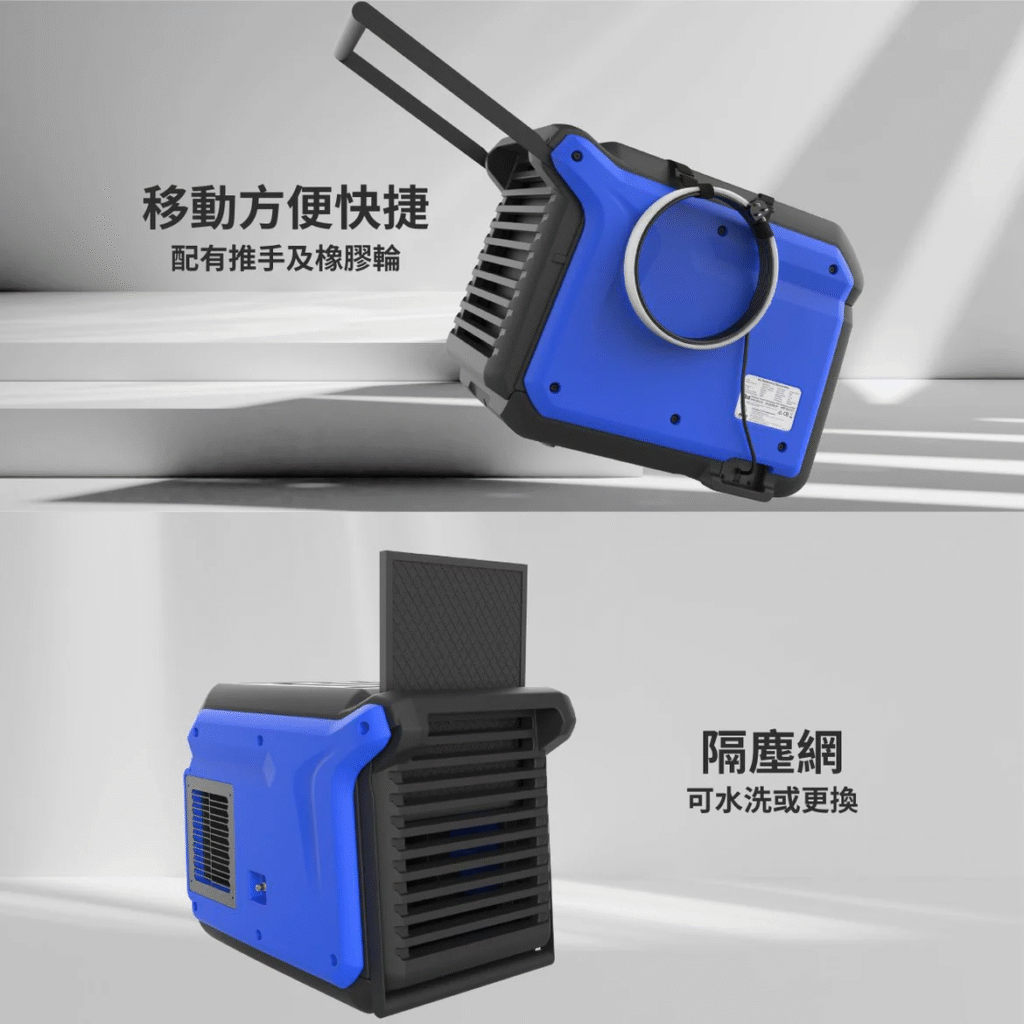
Understanding how a Dehumidifier Works
A dehumidifier works by drawing in moist air, extracting the excess water, and releasing dry air back into the room. The collected water is stored in a reservoir or drained through a hose. There are two primary types of dehumidifiers based on their working mechanism:
Refrigerant (Compressor-Based) Dehumidifiers – These use cooling coils to condense moisture from the air, similar to how an air conditioner works. They are ideal for warm, humid climates and can efficiently reduce moisture in large spaces.
Desiccant Dehumidifiers – Instead of cooling coils, these use materials like silica gel that absorb moisture directly. They work better in colder environments where refrigerant models might struggle.
Some advanced dehumidifiers also include air purifying features, such as HEPA filters, to trap dust and allergens. This makes them especially beneficial for people with respiratory issues like asthma or seasonal allergies.
Benefits of Using a Dehumidifier
The advantages of using a dehumidifier extend beyond just comfort. One of the most significant benefits is the prevention of mold and mildew. Mold thrives in damp environments and can cause serious health issues, including respiratory problems and skin irritations. By maintaining an optimal humidity level (ideally between 40–60%), a dehumidifier reduces the risk of mold growth.
Another benefit is the protection of your home’s structure and belongings. Excess humidity can damage wooden furniture, flooring, books, and even electronics. Condensation on windows is another sign of high humidity that may eventually damage frames and walls. By using a dehumidifier, you can extend the lifespan of your household items and maintain a healthier living environment.
Additionally, dehumidifiers improve overall indoor air quality. Damp air often carries a musty smell that can make a space unpleasant. By reducing moisture, odors are minimized, and the air feels fresher. For those suffering from dust mites or allergies, a dehumidifier can be particularly helpful since these allergens thrive in moist conditions.
Choosing the right Dehumidifier
When selecting a dehumidifier, several factors should be considered to ensure you pick the right model for your needs. The first factor is capacity, which is usually measured in pints of water removed per day. Small-capacity units (20–30 pints) are suitable for bedrooms or small living rooms, while medium-capacity models (40–50 pints) work well for basements or larger living areas. Heavy-duty models (70 pints or more) are designed for very damp spaces or industrial use.
Energy efficiency is another key consideration. Look for Energy Star-certified dehumidifiers, which consume less electricity while providing the same level of performance. This not only helps reduce your electricity bill but also minimizes environmental impact.
Noise level is also worth noting, especially if you plan to use the unit in a bedroom or office. Some dehumidifiers come with multiple fan speed settings, allowing you to adjust noise and performance according to your comfort.
Finally, convenience features such as automatic shut-off, continuous drainage options, built-in humidistats, and digital controls can make using a dehumidifier much easier. Modern smart dehumidifiers even connect to Wi-Fi, allowing you to monitor and control humidity levels remotely via smartphone apps.
Best practices for Using a Dehumidifier
To get the most out of your dehumidifier, proper placement and maintenance are important. Place the unit in a central location where air can circulate freely, and ensure doors and windows are closed while it operates. Running it in an enclosed environment maximizes efficiency.
Regular maintenance involves cleaning the filter to prevent dust buildup, which can hinder performance. Emptying the water reservoir frequently or connecting a drain hose can also save time and effort. For continuous use, especially in basements, a pump-enabled model is convenient as it automatically removes water.
It’s also wise to monitor humidity levels using a hygrometer. While a dehumidifier can remove moisture effectively, you should avoid making the air too dry. Very low humidity can cause static electricity, dry skin, and respiratory discomfort. Keeping humidity between 40% and 50% is considered optimal for most living spaces.
Applications Beyond Homes
While dehumidifiers are common in households, they are also widely used in commercial and industrial settings. Warehouses, libraries, and museums use them to protect valuable documents, artworks, and equipment from humidity damage. In the food industry, dehumidifiers help preserve ingredients and finished products by maintaining stable storage conditions.
In swimming pools and spas, dehumidifiers prevent condensation and corrosion caused by high levels of humidity. Similarly, in server rooms or data centers, controlling moisture is critical to protect sensitive electronic equipment. Even medical facilities use dehumidifiers to maintain sterile and safe environments.
Conclusion
A dehumidifier is far more than just a comfort-enhancing appliance—it is a tool for improving health, protecting property, and maintaining indoor air quality. By reducing excessive humidity, it prevents mold growth, protects furniture and electronics, and provides relief to allergy sufferers. With a wide range of models available, from compact units for bedrooms to industrial-grade systems, there is a dehumidifier suited for every need.
Choosing the right dehumidifier involves considering room size, capacity, energy efficiency, and convenience features. Proper use and maintenance ensure that the device works efficiently for years. Whether in a home, office, or industrial setting, a dehumidifier plays an indispensable role in creating a healthier and more comfortable indoor environment.